
How To Make Your Thanksgiving Cactus Bloom Again (Simple Steps For Every Home)
If your Thanksgiving cactus stays all green with no flowers, this article shows you exactly why that happens and what to do about it. You will learn how to give it the dark hours and cooler nights it needs to bloom. We also cover watering, fertilized soil, yellow leaves, and how to keep it blooming…
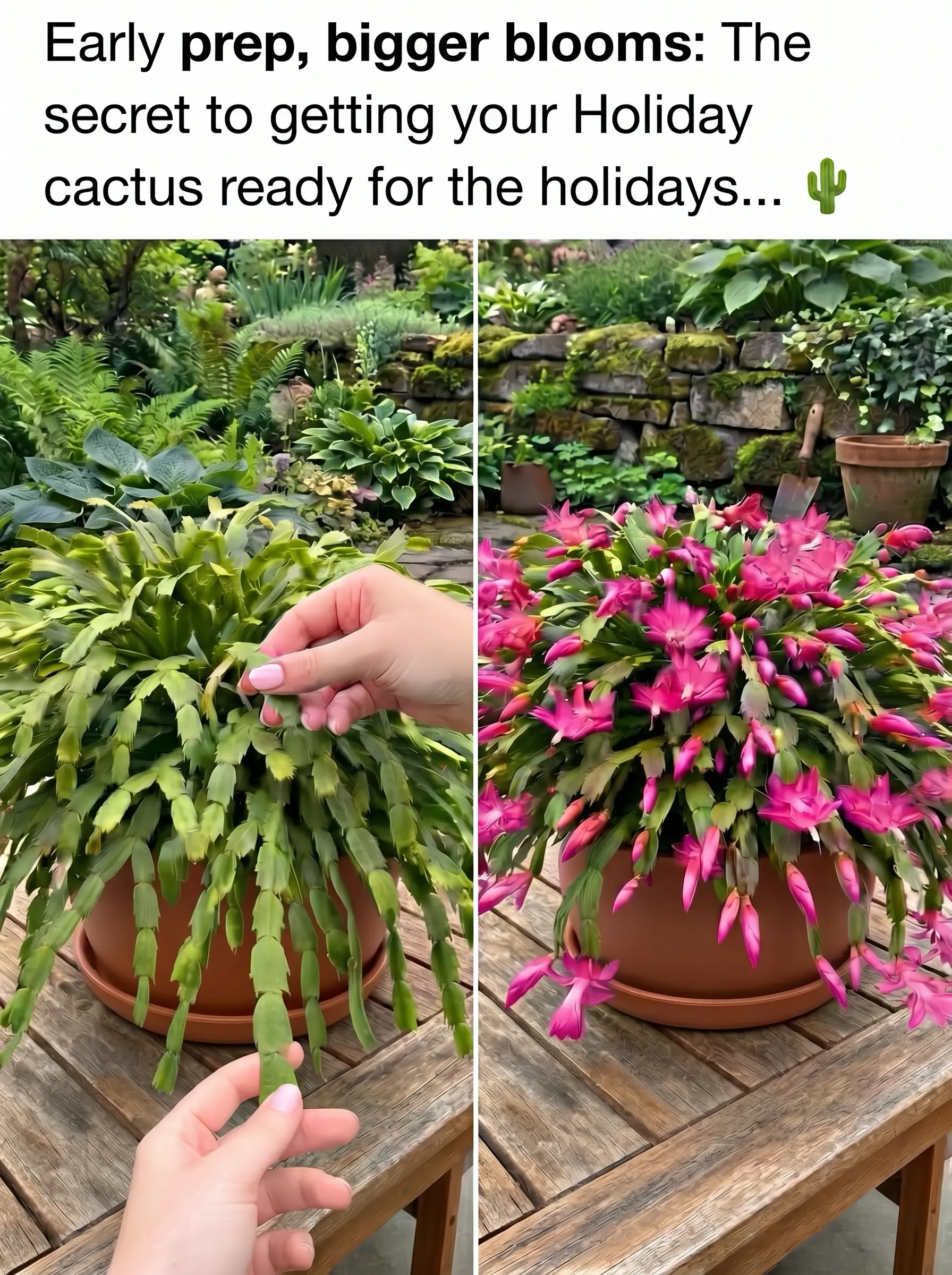
If your Thanksgiving cactus stays all green with no flowers, this article shows you exactly why that happens and what to do about it. You will learn how to give it the dark hours and cooler nights it needs to bloom. We also cover watering, fertilized soil, yellow leaves, and how to keep it blooming year after year. Read through it once, and you will have everything you need to finally see those flowers open.
Table Of Contents
- What Kind Of Cactus Do You Actually Have
- Why Your Cactus Stays All Green With No Flowers
- The Dark Room Trick For Better Blooms
- Cooler Nights Help It Set Buds
- Watering So The Roots Stay Happy
- Fertilized Soil And A Green Grow Feeding Schedule
- Cactus Moving Mistakes That Cost You Flowers
- My Plant Is Turning Yellow, Now What
- Growing Roots With The Right Soil
- A Simple Season By Season Calendar
- How To Get Flowers That Last All Year
- Myths People Believe About This Plant
- A Quick Checklist Before You Give Up
What Kind Of Cactus Do You Actually Have
Before we get into any care for plants advice, let us make sure you have the right one in front of you. People often ask us for gardening advice about a Thanksgiving cactus, but the plant on their windowsill is really a Christmas cactus or an Easter cactus. They look similar, but they bloom at different times and like slightly different care.
A Thanksgiving cactus has leaf segments with sharp, pointed edges that look almost like little claws. A Christmas cactus has softer, rounded edges. An Easter cactus has fuzzy little hairs along the edges. According to Clemson Cooperative Extension, this serration pattern is still the easiest way to tell the two most common holiday cacti apart. Take a close look at your plant today. Once you know which one you have, every other tip in this article will make a lot more sense.
If it turns out you actually have a Christmas cactus rather than a Thanksgiving cactus, most of the advice below still applies, but you may want to read our separate guide on 7 easy ways to make your Christmas cactus bloom again for a few small differences in timing.
Why Your Cactus Stays All Green With No Flowers
This is the question we hear the most. Your plant looks healthy. The leaves are full and green. But it will not give you a single flower. Here is the plain truth. A healthy green plant and a blooming plant are two different things. To make it green is easy. Almost any plant can grow leaves with a little water and light. But flowers only come when the plant believes the season has changed, the same way it would outdoors in the wild.
Your job is not to force the plant. Your job is to send it the right signals so it decides on its own that it is time to bloom. The two biggest signals are darkness at night and cooler temperatures. We will walk through both, step by step.
The Dark Room Trick For Better Blooms
Your cactus needs long, uninterrupted nights to start forming buds. Give it 12 to 14 hours of complete darkness every night for about 5 to 6 weeks. This is the single most important thing you can do for better blooms, more important than fertilizer, more important than the pot you use.
Many readers write to us asking exactly how to create this darkness at home, so let us be very direct about it.
- A spare room or closet. This is the easiest option. Put the plant in a room nobody enters at night and simply close the door. No daily fuss, no covering and uncovering.
- A cardboard box. Place a box over the plant each evening and remove it each morning. This works well but you must remember to do it every single day.
- A paper bag or thin cotton sheet. Both let a little air through, which is safer than plastic.
- Avoid plastic bags. Plastic traps moisture and heat against the plant and can lead to rot.
One small slip up will not ruin everything. If someone flips on a light for a minute, do not panic. But regularly interrupting those dark hours, night after night, will stop buds from forming. During the day, give it bright, indirect light so it still gets what it needs to grow.
Cooler Nights Help It Set Buds
Darkness works hand in hand with cooler air. Aim for nighttime temperatures around 55 to 65 degrees Fahrenheit, with daytime temperatures around 65 to 70 degrees. That drop at night is what tells the plant it is time to set buds.
If your home runs warm, an unheated porch, garage, or spare bedroom can work well, as long as it stays above 50 degrees and away from cold drafts. Readers in warm climates, such as Arizona, often need to lean more on the dark room trick since their nights simply do not cool down much. Readers in cooler climates, such as the northern states, often find that a covered porch or garage does the job on its own once fall arrives.
Keep it away from sudden chills near drafty windows or doors. A sudden cold shock can make developing buds drop before they ever open. Iowa State University Extension notes that holiday cacti generally prefer a steady range of about 60 to 70 degrees Fahrenheit, so avoid placing the pot near a heat vent or an outside door in cold weather.
Watering So The Roots Stay Happy
Good care for plants like this one comes down to balance. This cactus does not want to dry out completely, but it also does not want to sit in wet soil. Check the soil regularly and water when the top inch feels dry to your finger. Give it a thorough drink, let the extra water drain fully away, and never let the pot sit in a saucer full of water.
Letting the soil swing from soaking wet to bone dry puts stress on the plant and is one of the top reasons buds fall off before they open. In winter, when the air indoors is drier, you may find you are watering roughly every 10 to 14 days, but always check the soil itself rather than following a fixed schedule.
Fertilized Soil And A Green Grow Feeding Schedule
Fertilizer keeps the plant healthy, but it will not force flowers to appear on its own. Feed it a balanced houseplant fertilizer at half strength during spring and summer, while it is actively putting out new growth. Stop feeding once fall arrives and you want it to focus on setting buds, and never fertilize while it is in bloom.
Be careful with any green grow fertilizer that is high in nitrogen. Too much nitrogen pushes out plenty of green leaves while doing nothing for the flowers you are actually waiting for. A simple balanced fertilizer, or one made for cactus and succulents, works well for fertilized soil that supports both the roots and the eventual blooms.
Skip home remedies like sugar, salt, or straight rice. They can harm the roots. A little cooled rice water, the starchy water left over after rinsing rice, is a gentle option many gardeners enjoy using instead.
Cactus Moving Mistakes That Cost You Flowers
Once buds appear, resist the urge to move the plant around, repot it, or change its light and temperature. Cactus moving at the wrong time is one of the most common reasons buds drop right before they open. Choose one good spot and leave the plant there until flowering is finished.
If you do need to relocate it during the year, do so only when it is not budding or blooming, and give it a few weeks to settle in before you expect much from it. The same rule applies if you recently repotted it. A plant that has just been through a big change needs time to recover before it will put its energy into flowers.
My Plant Is Turning Yellow, Now What
If your plant leaves turning yellow and brown has you worried, you are not alone. This is one of the most common questions we receive, right alongside how to get better blooms. Here are the usual causes, in order of how often we see them.
- Too much water. This is the top cause. If the leaves feel soft or mushy along with the yellow color, the roots are likely sitting in water too long.
- Too much direct sun. Strong direct light can turn leaf tips yellow, pink, or reddish. Move the plant to bright but indirect light.
- A pot with no drainage. Water needs somewhere to go. Without a drainage hole, roots can rot even if you water correctly.
- Old age on lower leaves. A few yellow segments low on an otherwise healthy plant is often just natural and nothing to worry about.
If your plant is turning yellow and the segments also feel limp or shriveled, gently remove it from the pot and look at the roots. Healthy roots are firm and light colored. Trim away any roots that are dark, mushy, or have a bad smell, then repot into fresh soil that drains well and water lightly until you see new growth.
Growing Roots With The Right Soil
Strong roots are the foundation for everything else, from healthy green growth to the best flower show your plant can give you. You do not need special cactus dirt from a garden center. Regular potting soil mixed with perlite or orchid bark works very well. This gives the mix enough structure to hold a little moisture while still letting extra water drain through quickly.
If you are growing roots from a cutting, a few segments placed in water on a sunny windowsill will often root within a few weeks, then can be moved into soil once roots are an inch or two long. This is a simple, low cost way to start new plants for yourself or to share with family and friends. The same general soil advice applies whether you are working with bulbs and blooms in your outdoor beds or a cactus on your windowsill. Good drainage helps almost everything you grow.
Repot only once every two or three years, and do it right after flowering finishes, never while it is budding or in bloom.
A Simple Season By Season Calendar
If keeping track of all this feels like a lot, here is a simple calendar you can follow.
- Spring and summer. Active growing season. Water regularly, feed with a balanced fertilizer, and give it bright, indirect light. This is when you can also take cuttings for seed growing style propagation, though this plant is most often grown from stem cuttings rather than true seeds.
- Early fall. Stop fertilizing. Begin the 12 to 14 hour dark nights and cooler temperatures.
- Mid to late fall. Watch for tiny buds forming along the ends of the segments. Once you see buds, stop moving the plant and ease off on any disruption.
- Late fall into winter. Flowers open. Water lightly and steadily. No fertilizer during this time.
- After blooming. Let the plant rest. Water a little less, skip fertilizer for a few weeks, and keep it in bright but gentle light before starting the cycle again.
How To Get Flowers That Last All Year
No single houseplant blooms nonstop for all twelve months, but many gardeners with several of these plants manage to have flowers that last all year in their home by staggering the process. If you have more than one plant, you can start the dark treatment for each one at a different time. One plant might bloom for Thanksgiving, another around New Year, another near Valentine’s Day, and another close to Easter.
This is simply the same routine repeated with a small delay between plants. It takes a little planning, but it turns one short bloom season into flowers you can enjoy across several months of the year.
If you want color in your garden beyond the holiday cactus season too, take a look at 15 spring blooming flowers you should sow this fall by zone. Planting a few of these outdoors now means fresh best flower displays waiting for you as soon as the weather warms up.
Myths People Believe About This Plant
A lot of gardening advice gets passed around that simply is not true. Let us clear a few things up.
- Sugar or salt will boost blooms. False, and both can actually damage the roots over time.
- More fertilizer means more flowers. False. Extra fertilizer, especially with high nitrogen, usually just gives you more green leaves and fewer blooms.
- It needs special cactus soil to survive. Not required. Regular potting soil mixed with perlite works just fine.
- You must keep it bone dry like a desert cactus. False. This plant is a tropical cactus at heart and prefers steady, light moisture, not desert conditions.
A Quick Checklist Before You Give Up
If you have tried everything and still see no flowers, go through this list one more time.
- Are the nights truly dark, with no lamp, television, or hallway light sneaking in
- Is it too warm at night for the plant to feel a real temperature drop
- Is the soil staying too wet for too long
- Is the soil going bone dry between waterings instead of staying evenly moist
- Have you been feeding it too often or too late in the season
- Was it recently moved or repotted, and does it need more time to settle
- Does the plant look weak overall, with damaged roots or stressed growth
If none of these seem to fit, go back to the two basics that matter the most. Long, uninterrupted dark nights and cooler nighttime temperatures. Almost every blooming problem traces back to one of those two things. With a little patience and consistent care for plants, your Thanksgiving cactus will reward you with better blooms year after year.
More For Your Garden
If all this talk of blooms has you in the mood for a day out among flowers, the Missouri Botanical Garden tickets, prices, hours, and the Japanese Festival weekend worth planning around is a wonderful place to see bulbs and blooms of every kind in person, and it may give you a few fresh ideas for your own home garden.
