Why curled leaves tomato plant ? Find out what’s wrong and fix it now
Curled leaves tomato plant. If those are close to the words that sent you here in a bit of a panic this morning, coffee in hand, staring down at your favorite Brandywine or that Early Girl you started from seed on the windowsill, take a breath, you are in exactly the right place. I have…
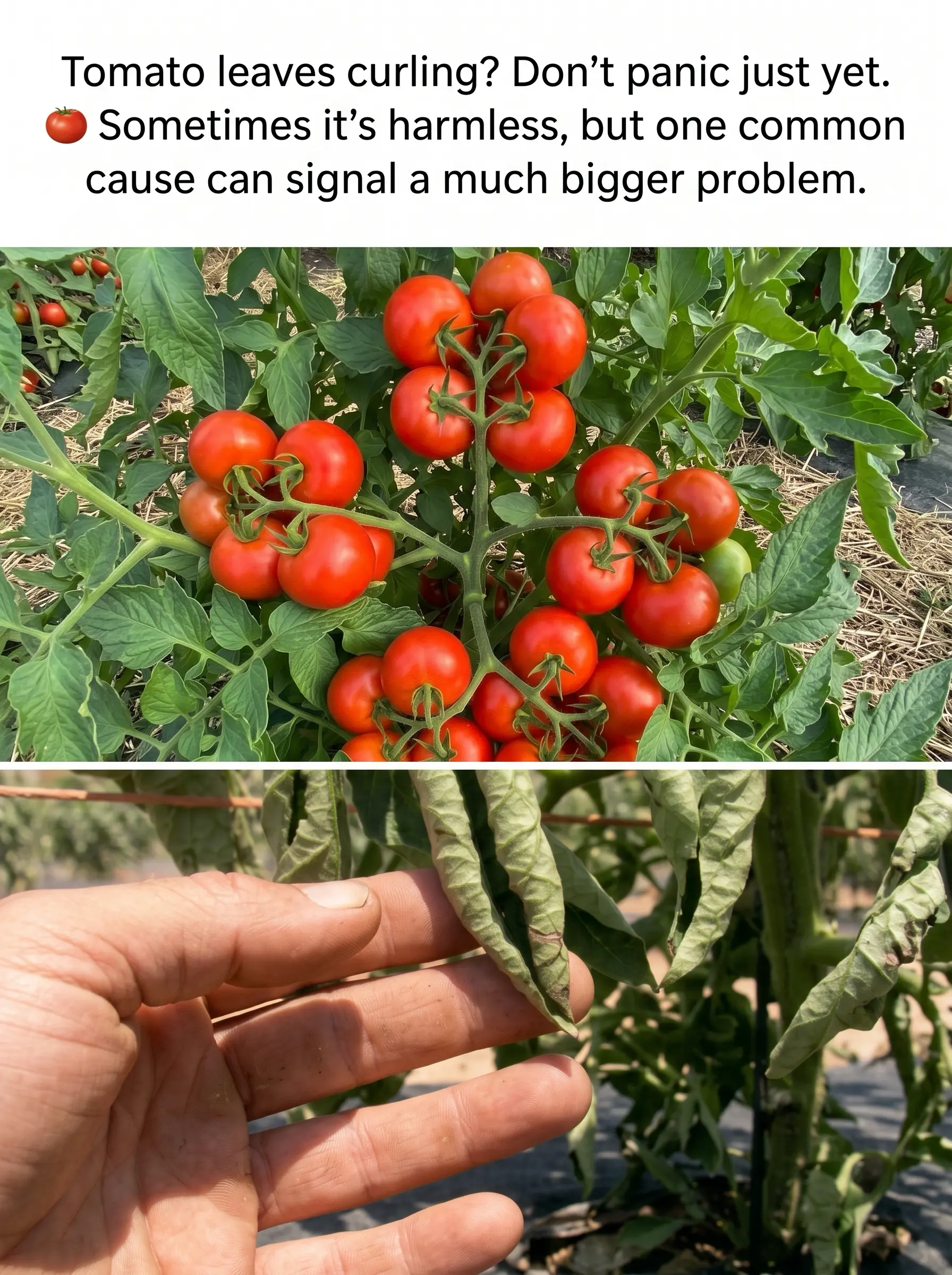
Curled leaves tomato plant. If those are close to the words that sent you here in a bit of a panic this morning, coffee in hand, staring down at your favorite Brandywine or that Early Girl you started from seed on the windowsill, take a breath, you are in exactly the right place. I have been growing tomatoes since before some of you reading this had your first garden plot, and I can tell you that panic never really goes away either. But most of the time, your plant is not dying. It is talking to you.
So let us sit with this together for a minute before we do anything drastic. Curled leaves on a tomato plant are one of the most common questions gardeners bring to me, and the honest truth is that most of the time, a little patience is all that is needed. Our job today is to learn what your plant is trying to say.
I am going to walk you through every cause I have seen in my own garden and in the gardens of friends over the decades, from the harmless kind that clears up on its own to the kind that means you need to act. No jargon, no scare tactics, just plain talk between people who love their gardens.
Table of Contents
- The Four Line Answer, For Those in a Hurry
- First, Take a Breath: Curled Leaves Are Rarely an Emergency
- Reading the Curl: Up, Down, and Everything In Between
- The Everyday Culprits: Physiological Leaf Curl
- When It Is the Weather and the Water
- Too Much Love: Nitrogen and Overfeeding
- The Neighbor’s Weed Killer: Herbicide Drift
- Tiny Troublemakers: Aphids, Whiteflies, and Broad Mites
- The Serious One: Viral Leaf Curl
- What This Means for Seedlings and Curled Leaves on Tomato Seeds
- Tomato Plant Leaf Curl Remedy: What Actually Works
- When Leaves Curl and Turn Yellow Together
- A Few Questions My Readers Ask Me Most
- My Last Word to You
Curled leaves on a tomato plant almost always come from one of four things: ordinary stress from heat, water, or a recent transplant, which is harmless and self corrects within a week or two, overfeeding with nitrogen, herbicide drift from a nearby lawn treatment, which shows up as twisted and cupped new growth, or a viral infection carried in by whiteflies, which is rare but serious and calls for pulling the plant. Look at whether the curl points up or down, whether the whole plant is affected or just a few leaves, and whether yellowing is present, and you will usually know which of these four you are dealing with. Most cases need nothing more than patience, a little mulch, and steady watering. Only the viral cause and severe pest infestations require you to remove the plant entirely.
First, Take a Breath: Curled Leaves Are Rarely an Emergency
My grandmother used to say that a tomato plant is more forgiving than it looks, and forty some years of growing them has proven her right time and again. In the vast majority of cases I have come across, curled leaves are simply the plant’s way of managing stress it is already handling. It rolls its leaves inward the same way you might squint against bright sun or pull your collar up against the wind. It is a coping mechanism, not a cry for help.
That said, I know it is hard to simply wait when something looks wrong in your garden. So let us figure out exactly what you are looking at, and then decide together whether action is needed.
Reading the Curl: Up, Down, and Everything In Between
Before you treat anything, get down at eye level with your plant and really look. This single habit has saved me more wasted afternoons than any product I have ever bought.
Ask yourself these things. Are the leaves curling upward, like a little canoe or a taco shell? Are they curling downward and inward, tightening into a fist? Is it just the lower, older leaves, or has it spread to the newest growth at the top? Is there any yellowing, spotting, or a strange bronze color underneath the leaf? And think back over the last two weeks. Did you prune hard, did the temperature spike, did you or a neighbor spray anything nearby?
Tomato leaves curling up and down are not actually two different mysteries, they are two different stories. Upward curling, especially on the lower leaves of an otherwise healthy, deep green plant, is almost always physiological, meaning it is a stress response to heat, water, or pruning, and it is the least worrying pattern you can find. Downward curling that twists the leaf and distorts new growth is the pattern that makes me look closer at chemical drift or viral disease, so treat that one with a bit more urgency.
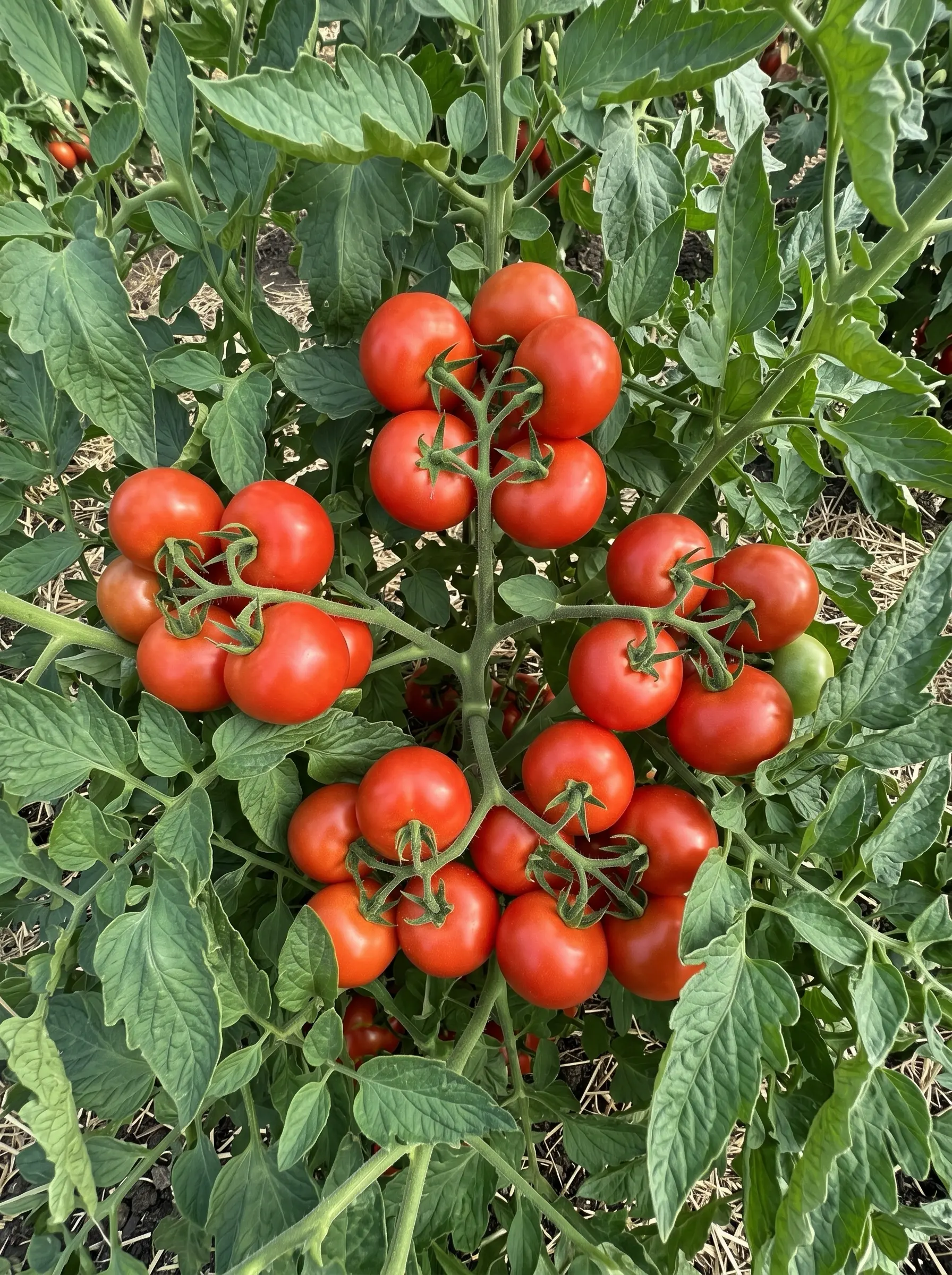
I always tell my readers that a phone photo taken every few days is worth more than a hundred guesses. If you search around for pictures of tomato leaf curl online, you will notice the physiological kind looks almost graceful, a gentle upward roll on otherwise normal colored leaves. The chemical and viral kinds look angrier, twisted, sometimes with a purple tinge to the stems or yellow rings around the leaf edges. Comparing your own plant against a few reference photos before you make a decision is never a bad idea.
The Everyday Culprits: Physiological Leaf Curl
This is the category that covers the vast majority of the worried messages I get, and I want you to feel some relief reading this section.
When you first move a seedling from its cozy pot into the garden bed, it goes through what we call transplant shock. The roots have been disturbed, the leaves are suddenly facing real sun and real wind instead of a windowsill, and the plant responds by curling its leaves to cut down on water loss while the roots reestablish themselves. Keep the soil evenly moist, resist the urge to fuss over it further, and give it a week. It will settle down.
Something similar happens if you have been weeding a little too enthusiastically nearby, or if you tucked in a companion plant like basil or marigold and disturbed the tomato’s roots in the process. A bit of root disturbance causes a similar temporary curl. Again, patience and steady moisture are your best friends here.
Pruning is another common trigger, and it is one I see gardeners cause without realizing it. If you go through and remove a large number of suckers or leaves all in one sitting, especially on a hot day, the plant experiences a kind of shock and curls its remaining leaves in protest. I learned this one the hard way in my own garden years ago, pruning an entire indeterminate plant back on a July afternoon and watching it sulk for a week. These days I prune a little at a time, in the cool of the morning or evening, and pinch small suckers by hand rather than taking whole branches at once.
When It Is the Weather and the Water
Heat and drought bring out one of the most classic curling patterns there is. When the temperature climbs and the soil starts drying out, the plant rolls its leaves lengthwise to reduce the surface area exposed to the sun and slow down water loss through the leaf pores. This is a survival tactic, plain and simple, and it is especially common on tomatoes grown in containers or on a hot patio or rooftop where the soil heats up fast and dries out even faster.
Inconsistent watering causes a similar effect, and honestly this is the one I see most often in home gardens because life gets busy and watering schedules slip. A good three to four inch layer of mulch, whether it is straw, shredded leaves, or grass clippings, does wonders here. It keeps the soil temperature more even and holds moisture so the roots are not lurching between soaked and bone dry. I mulch every single tomato plant I put in the ground now, and I genuinely believe it has cut my leaf curl complaints in half over the years.
If you are growing in pots, consider a bit of afternoon shade during the worst heat of summer, and check the soil moisture with your finger daily rather than on a fixed schedule, since containers dry out at a very different rate than garden beds.
Too Much Love: Nitrogen and Overfeeding
Here is one that surprises people. Sometimes leaf curl is not a sign of neglect but a sign of too much kindness. Overdoing it with a nitrogen heavy fertilizer pushes the plant into rapid, soft, dark green growth, and that lush new growth often curls as the leaf tissue grows faster than the veins that support it.
If your plant looks almost too green and lush, with thick, rubbery leaves that are curling upward, ease off on the fertilizer and switch to something balanced or slightly lower in nitrogen, with a bit more phosphorus and potassium to support flowering and fruit instead of just leafy growth. A slow release, steady feeding approach beats a heavy dose every time, both for leaf curl and for the overall health of your tomatoes.
The Neighbor’s Weed Killer: Herbicide Drift
This is one of the more frustrating causes because it is often entirely out of your control. Broadleaf herbicides, particularly those containing 2,4 D, are notorious for drifting on the wind from a treated lawn several properties away and landing on sensitive plants like tomatoes, a pattern Texas A&M AgriLife Extension has documented closely in home gardens.
The signature look of herbicide damage is quite different from the gentle physiological curl we talked about earlier. Leaves twist and cup downward, sometimes taking on a strange claw like or fern like shape, stems can become thickened or split, and you may notice blossom drop across the whole plant rather than just a leaf or two. This kind of damage does not reverse itself on the affected leaves, though the plant can often grow out of it with healthy new growth over several weeks if the exposure was mild.
If you suspect drift, trim away the worst affected leaves and stems, keep the plant well watered to help it recover, and have a gentle conversation with the neighbor if you can figure out the source. Many people genuinely do not realize how far these products can travel on a breezy day.
Tiny Troublemakers: Aphids, Whiteflies, and Broad Mites
Sometimes the culprit is small enough that you need to get out a magnifying glass, and this is a category my readers often overlook, though the UC Statewide IPM Program flags it often in their own advisories. Aphids and whiteflies are sap sucking insects that cluster on the undersides of leaves and along stems, and their feeding causes twisted, curled growth along with a sticky residue called honeydew. Check the underside of a curling leaf, and if you see small green, black, or white insects, or tiny white moths fluttering up when you brush the plant, you have found your answer. Insecticidal soap or neem oil, applied in the cool of the evening and repeated every week or so, generally brings these pests under control.
Broad mites are trickier because they are essentially invisible to the naked eye, and I want you to know about them because I rarely see them mentioned. They feed on the newest, tenderest growth at the top of the plant, injecting a toxin as they go that causes the young leaves to curl downward, thicken, and take on a bronzed or blistered look. If your new growth looks strangely deformed while the older leaves lower down seem fine, broad mites are worth suspecting. Insecticidal soap or a horticultural oil applied thoroughly to the growing tips can knock back a moderate infestation, though a severe case sometimes means removing the plant to protect the rest of your garden.
The Serious One: Viral Leaf Curl
I promised you plain talk, so here it is. There are a small number of viral diseases that cause tomato leaves to curl, and these are the ones that genuinely call for quick, decisive action, something the Nebraska Extension Backyard Farmer program covers well if you want a second, university backed opinion.
Tomato yellow leaf curl virus, often shortened to TYLCV, is spread by whiteflies and causes small, cupped, pale leaves, yellowing along the leaf margins, stunted overall growth, and a sharp drop in fruit production. Tomato mosaic virus causes a similar rolling of the leaves along with a mottled, blotchy coloring and sometimes internal browning inside the fruit itself. There is no cure for either one once a plant is infected.
If you find a plant with these symptoms, the kindest thing you can do for the rest of your garden is to remove it, roots and all, and dispose of it away from your compost pile, since these viruses can persist and spread. Wash your hands and disinfect your pruning tools before moving on to healthy plants, since mosaic virus in particular can spread on your hands and tools alone. The good news is that these viral causes are genuinely uncommon in home gardens compared to the physiological and environmental causes we covered earlier, so do not let this section send you into a panic before you have ruled out the more likely explanations first. Planting a border of sweet alyssum or other small flowering plants nearby can help by attracting beneficial insects that prey on whiteflies, which is a trick I picked up years ago and still use.
What This Means for Seedlings and Curled Leaves on Tomato Seeds
Curled leaves tomato seeds and seedlings are their own small worry, separate from what happens once a plant is established in the garden. If you start your own tomatoes from seed the way I do every February, you may notice the tiny first leaves, called cotyledons, or the first true leaves curling slightly not long after germination. In young seedlings this is almost always about the growing environment rather than disease. Seedlings under grow lights that are positioned too close, or sitting in a spot with dry, overheated air near a heating vent, will often show a slight curl or cupping in those first leaves. Backing the light off a few inches, running a small fan for gentle air movement, and keeping the seed starting mix evenly moist without letting it get soggy usually clears this up within days.
Overcrowding in the seed tray is another quiet cause. When seedlings are packed in too closely and competing for light, they stretch and their leaves can curl or cup as they reach for more light. Thinning your seedlings, or potting them up into individual containers a bit earlier than you planned, gives them room to grow strong and flat leafed the way they should. I always tell new gardeners that healthy seed starting habits now save you a great deal of worry once those seedlings become full grown plants in the garden.
Tomato Plant Leaf Curl Remedy: What Actually Works
Let me bring this all together into a simple approach you can actually use, because I know a wall of causes is not much help without a plan. If what you really want is how to fix curled leaves tomato problems for good, this is the checklist I walk my own readers through every season.
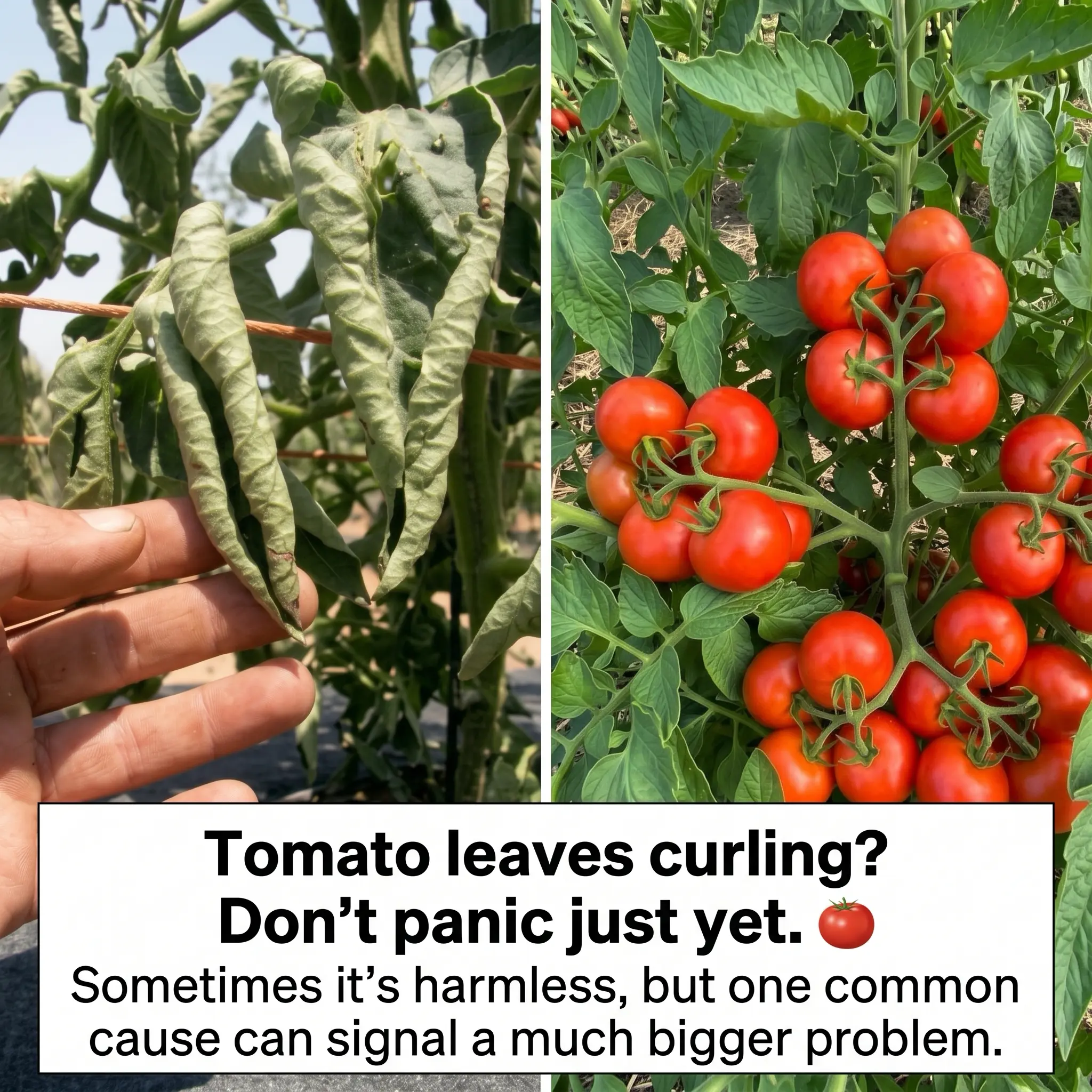
Start by ruling things out in order of likelihood. Check the weather and your watering log first, since heat and inconsistent moisture cause the majority of cases. Look at what you have fed the plant recently and scale back if you have been generous with nitrogen. Turn the leaves over and inspect closely for insects or the telltale bronzing of broad mite damage. Think back over the last couple of weeks to any pruning, transplanting, or nearby spraying. Only after ruling out these more common and more easily treated causes should you start considering a viral infection, and even then, confirm it with the yellowing, stunting, and overall plant wide decline that distinguishes a virus from ordinary stress.
For the great majority of cases, the fix is refreshingly simple. Water deeply and consistently rather than a little bit every day, mulch generously to even out soil moisture and temperature, avoid heavy nitrogen feeding in favor of a balanced fertilizer, prune lightly and in cooler parts of the day, and provide afternoon shade for container grown plants during the hottest stretch of summer. These five habits alone resolve the overwhelming majority of curled leaf complaints I hear about, and they are the same habits I rely on in my own garden every single season.
When Leaves Curl and Turn Yellow Together
I want to give this combination its own section because it worries people more than almost anything else, and rightly so, since it narrows down the possibilities. Tomato plant leaves curling and yellowing together usually points toward one of three things. It can mean a nutrient issue, often nitrogen deficiency this time rather than excess, especially if the yellowing starts on the older, lower leaves and works upward while the veins stay green. It can mean root stress from overwatering, since waterlogged roots struggle to take up nutrients properly and the plant shows it through pale, curling foliage. Or, if the yellowing is concentrated at the leaf margins along with stunted new growth across the whole plant, it may point toward the viral leaf curl we discussed earlier.
The way to sort these out is the same detective work as before. A soil test will tell you quickly whether you have a genuine nutrient deficiency. Sticking your finger two inches into the soil tells you whether overwatering is the issue. And a plant wide pattern with stunting, paired with the presence of whiteflies nearby, points you toward the viral cause. Take it one step at a time and you will land on the right answer.
A Few Questions My Readers Ask Me Most
How do I fix curled leaves on my tomato plant?
Start with consistent, deep watering and a good layer of mulch, since these two habits solve most cases on their own. Then check for overfeeding, recent pruning, insects on the underside of the leaves, and any herbicide use nearby before assuming the worst.
How to treat curled leaves tomato plants once I know the cause?
Physiological curl from heat or transplant shock needs nothing more than steady water and time. Nitrogen related curl needs a switch to balanced feeding. Pest related curl responds to insecticidal soap or neem oil. Herbicide damage needs pruning of the worst growth and patience while the plant recovers. Viral curl, unfortunately, needs removal of the plant.
Why are my tomato leaves curling up and down in different spots on the same plant?
This usually means more than one stressor is at play at once, which is more common than you might think. A plant dealing with heat stress low on the stem might also be showing pest damage higher up. Work through the checklist above section by section rather than assuming a single cause explains everything you see.
Do curled leaves on tomato seedlings mean the seeds themselves were bad?
No, this is almost never about seed quality. A slight curl in young seedlings nearly always comes down to light intensity, air movement, or crowding in the seed tray, all of which are easy to correct.
Should I remove leaves that are curled?
For physiological curl, there is usually no need, the leaf will often relax once the underlying stress is resolved. For leaves with clear pest damage, virus symptoms, or herbicide burn, removing the worst affected foliage helps the plant direct its energy toward healthy new growth.
My Last Word to You
If there is one thing I hope you take from an old gardener today, it is this. Curled leaves are your tomato plant’s way of coping, and coping is not the same as dying. Slow down, look closely, work through the possibilities one at a time the way we did here, and trust that your years of experience, or even your first season, are enough to handle this. Every gardener I have ever known, myself included, has stood over a curling tomato plant with a knot in their stomach. Almost every single time, a little patience and a few adjustments were all it took.
Keep your hands in the soil and your eyes on your plants, and you will get to know them well enough that these little mysteries stop feeling so frightening. That is really what gardening for all these years has taught me more than anything else.
A watchful eye is really what ties every gardener together, whether you are troubleshooting tomatoes or coaxing something else into bloom. If you have a Thanksgiving cactus or a Christmas cactus on the windowsill that has been sulking, those two guides walk through the same kind of patient, one step at a time troubleshooting we just did here. And once your tomato bed is sorted for the season, it is a good time to think ahead. Our roundup of spring blooming flowers you can sow this fall by zone will get you planning your next round of color, and if you are ever looking for a day trip to feed the gardening habit, our guide to Missouri Botanical Garden tickets, hours, and the Japanese Festival weekend is worth a look. You can also learn a bit more about who is behind this site on our About Us page.
For further reading grounded in university research, the Clemson HGIC factsheet on tomato leaf rolling and the University of Illinois Extension article on tomato leaf curl are both excellent, trustworthy resources I return to often myself.