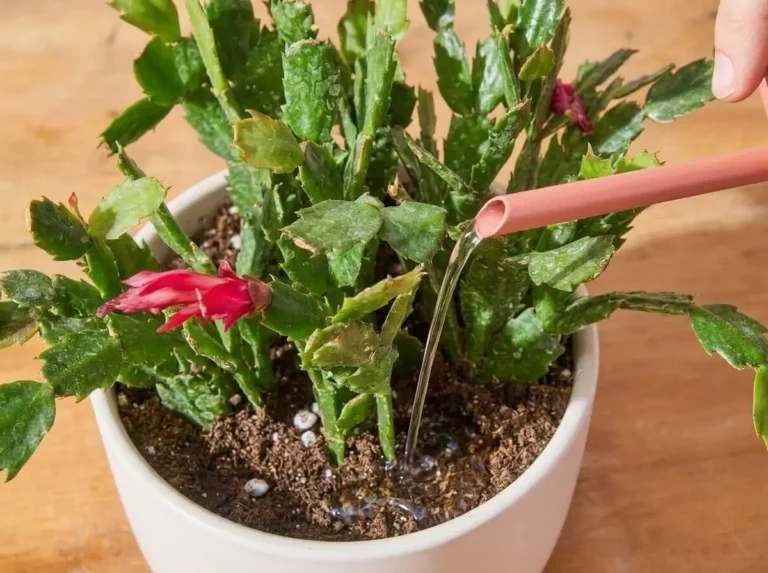
15 Pruning perennials in september for Stunning Spring Blooms
1. Why Pruning Perennials in September Pays Off Most perennial diseases and many pests don’t vanish in winter. They wait in fallen leaves and old stems. Powdery mildew, botrytis, rust and leaf spot fungi overwinter on infected plant debris and reinfect new shoots the following spring. Slugs lay eggs under collapsed hosta leaves, and iris…
Pruning perennials in September comes down to one question for each plant: is it finished, or is it still working? Cut back perennials that are diseased, collapsing, or hosting pests, such as mildewed bee balm and phlox, blighted peonies, rust-spotted hollyhocks and borer-prone iris. Leave standing the ones that feed birds, shelter beneficial insects or protect their own crowns over winter.
This guide splits the 15 perennials into three groups: cut back now, tidy now and finish after frost, and trim to fresh basal growth. For each one you get the cutting height, the timing and the reason.
Good fall perennial care is selective. Done well, it stops diseases from overwintering, cuts down next year’s slugs and borers, and sends every plant into winter ready for strong spring growth and heavier blooms.
By September, the perennial border looks tired. Bee balm is gray with mildew, peony leaves are freckled with brown, and the hostas have turned into slug hotels. It’s tempting to grab the shears and cut everything to the ground in one weekend. But a blanket cutback removes seed that birds depend on, destroys the stems where native bees overwinter, and can leave borderline-hardy plants exposed to winter.
The smarter approach is a targeted fall garden cleanup: remove what spreads disease and pests, tidy what’s finished, and leave the rest for spring. Here’s exactly how to do that, plant by plant.
1. Why Pruning Perennials in September Pays Off
Most perennial diseases and many pests don’t vanish in winter. They wait in fallen leaves and old stems. Powdery mildew, botrytis, rust and leaf spot fungi overwinter on infected plant debris and reinfect new shoots the following spring. Slugs lay eggs under collapsed hosta leaves, and iris borer moths lay eggs on old iris foliage in autumn.
Removing that material in early fall breaks the cycle before it starts again. Penn State Extension specifically recommends cutting back bee balm and garden phlox affected by powdery mildew, and removing hosta foliage because the dead leaves shelter slug eggs. Their advice on diseased material is to destroy it rather than compost it.
September has practical advantages too. The weather is mild, stems are still firm and easy to cut cleanly, and you can still see which plant is which. Plus, anything you cut now gives you a clear view of where to plant the spring bulbs you can plant in September.
2. The Three September Pruning Groups
| Group | What to do in September | Plants |
|---|---|---|
| A. Cut back now | Cut to 1–4 in and bag the debris. These plants carry disease or pests into winter. | Bee balm, phlox, hollyhock, peony, bearded iris, columbine, lungwort, bleeding heart |
| B. Tidy now, finish after frost | Remove yellow, spotted or collapsed leaves now; cut the rest to 2–4 in after the first hard frost. | Hostas, daylilies |
| C. Trim to basal growth | Cut spent flower stems down to the low, fresh leaves at the base. Leave the rosette to protect the crown. | Yarrow, salvia, speedwell, catmint, lady’s mantle |
3. 15 Perennials to Prune in September
Group A: Cut Back Now
1. Bee Balm (Monarda)
- Cut to 2–4 in
- When now, once blooms fade
- Why powdery mildew
Bee balm is a pollinator favorite, but by late summer it’s often coated in the white-gray film of powdery mildew. The fungus overwinters on infected stems and leaves, so cut every stem down to a few inches and bag the clippings. While you’re there, thin crowded clumps: better airflow next summer is the best mildew prevention. For more on stopping the fungus, read our guide on how to get rid of powdery mildew.
2. Garden Phlox (Phlox paniculata)
- Cut to 2–3 in
- When after flowering ends
- Why powdery mildew, leaf spot
Tall garden phlox is the other mildew magnet of the late-summer border. Once the last flower heads fade, cut stems low and rake up every fallen leaf around the base, since that’s where spores sit out the winter. When you replace or add plants, look for mildew-resistant varieties such as ‘David’ or ‘Jeana’, which stay much cleaner.
3. Hollyhocks (Alcea)
- Cut to 4–6 in
- When after flowering
- Why hollyhock rust
Look under a hollyhock leaf in September and you’ll often see orange-brown pustules: hollyhock rust. The disease spreads fast and overwinters on old leaves and stems. Cut the tall flower stalks down, strip off every rusty leaf, and bag the lot. If you want hollyhocks to self-sow, shake a few ripe seed pods over the bed first, then cut.
4. Peonies (Herbaceous)
- Cut to 1–2 in
- When when leaves spot or yellow
- Why botrytis blight, leaf blotch
Peony foliage often turns blotchy and brown by late summer. That’s usually leaf blotch or botrytis, and both overwinter on the old stems. If the leaves look ragged, cut herbaceous peonies almost to the ground now and remove all debris. If they’re still clean and green, wait until frost. Never cut tree peonies (the woody types) to the ground; they bloom on old wood.
5. Bearded Iris
- Cut to a 4–6 in fan
- When September–October
- Why iris borer eggs, leaf spot
Iris borer moths lay their eggs on old, dry iris foliage in late summer and fall. Those eggs hatch in spring and the larvae tunnel down into the rhizomes. Trimming leaves into a neat fan shape and removing all dead leaves and debris now destroys many of those eggs. Keep the tops of the rhizomes uncovered and exposed to sun. This is also a good time to divide crowded clumps.
6. Columbine (Aquilegia)
- Cut to basal leaves or 2 in
- When now
- Why leaf miners, mildew
Columbine leaves covered in pale, squiggly trails are hosting leaf miners, tiny larvae that feed inside the leaf. By September the foliage is often mined, mildewed or both. Cut the affected leaves off and bag them; healthy new leaves often reappear before winter. Columbine is short-lived but self-sows freely, so leave a few seed pods if you want new plants.
7. Lungwort (Pulmonaria)
- Cut to fresh new leaves
- When now
- Why powdery mildew
Lungwort’s silver-spotted leaves are lovely in spring but often look dusty with mildew by late summer, especially in dry soil. Remove the tired, mildewed leaves at the base. Fresh, clean foliage usually fills in within a few weeks and carries the plant through winter, ready for its early pink-to-blue spring flowers.
8. Old-Fashioned Bleeding Heart
- Cut to ground level
- When once foliage has yellowed
- Why finished and dormant
The classic bleeding heart (Lamprocapnos spectabilis) goes dormant after it flowers, and by September its leaves are usually yellow or gone. Clear the old stems to ground level and mark the spot, because the plant disappears completely until spring and is easy to dig into by accident. Fernleaf bleeding hearts (Dicentra eximia) behave differently: just trim off spent flower stems and leave their foliage.
Group B: Tidy Now, Finish After Frost
9. Hostas
- Now remove yellow or chewed leaves
- After frost cut to 2–3 in
- Why slug eggs
Healthy green hosta leaves are still feeding the crown in September, so leave them. Just pull away yellowing or slug-riddled leaves. After the first hard frost the foliage collapses into a slimy mat, which is the perfect nursery for slug eggs. Cut everything to a couple of inches and clear it away then. Clean your pruners between plants to avoid spreading Hosta Virus X.
10. Daylilies (Hemerocallis)
- Now remove brown leaves and scapes
- After frost cut to 3–4 in
- Why leaf streak, thrips
Cut the bare flower stalks (scapes) down to the base now, and pull out any brown or streaky leaves, which you can usually just tug free. Reblooming varieties such as ‘Stella de Oro’ may still have green leaves and even flowers, so leave them until frost. Once the foliage turns to mush, cut it down to tidy the clump and remove hiding places for thrips.
Group C: Trim to Fresh Basal Growth
11. Yarrow (Achillea)
- Cut to the basal rosette
- When now
- Why floppy stems, self-seeding
Yarrow’s flat flower heads fade to brown by September, and the stems often flop open. Cut spent stems down to the ferny leaves hugging the ground. Leave that rosette in place, as it’s evergreen in many zones and protects the crown. Cutting now also stops yarrow from self-seeding into every corner of the bed.
12. Perennial Salvia (Salvia nemorosa)
- Cut to just above new leaves
- When as spikes fade
- Why may rebloom, tidier crown
Perennial salvias like ‘May Night’ and ‘Caradonna’ often push out a small final flush if you remove spent spikes in early September. Cut each stem back to where you see a set of new leaves at its base. Leave the low leaves over winter, and do the final cleanup in spring when new growth shows.
13. Speedwell (Veronica)
- Cut to basal foliage
- When now
- Why browning spikes, leaf spot
Spiky speedwell’s flower wands turn brown and seedy by fall, and its lower leaves can pick up powdery mildew or leaf spot. Cut the spent spikes to the base, remove any spotted leaves, and leave the healthy low foliage in place to protect the crown through winter.
14. Catmint (Nepeta)
- Cut by one-third to one-half
- When early September
- Why sprawling, open center
By late summer, catmint often splits open in the middle and sprawls over the path. A light shearing in early September, cutting just above the fresh gray-green growth at the base, gives it a neat mound for fall. Avoid a hard cut to the ground this late in cold zones (3 to 5); save that for spring.
15. Lady’s Mantle (Alchemilla mollis)
- Cut to fresh inner leaves
- When now
- Why tattered leaves, heavy self-seeding
Lady’s mantle’s scalloped leaves look fantastic in June, but by September the outer leaves are brown-edged and flattened. Pull or cut them away to reveal the fresh leaves in the center. Remove any remaining seed heads too: lady’s mantle self-seeds aggressively into cracks and lawns.
4. September Pruning Cheat Sheet
| Perennial | Cut to | Timing | Main reason | Compost? |
|---|---|---|---|---|
| Bee balm | 2–4 in | Now | Powdery mildew | No, bag it |
| Garden phlox | 2–3 in | Now | Powdery mildew | No, bag it |
| Hollyhock | 4–6 in | Now | Rust | No, bag it |
| Peony | 1–2 in | Now if spotted | Botrytis, blotch | No, bag it |
| Bearded iris | 4–6 in fan | Now | Borer eggs | No, bag it |
| Columbine | Basal leaves | Now | Leaf miners | No, bag it |
| Lungwort | New leaves | Now | Mildew | No, bag it |
| Bleeding heart | Ground | Now | Dormant | Yes |
| Hosta | 2–3 in | After frost | Slug eggs | Yes if healthy |
| Daylily | 3–4 in | After frost | Tidy, thrips | Yes if healthy |
| Yarrow | Basal rosette | Now | Self-seeding | Yes |
| Salvia | Above new leaves | Now | Rebloom, tidiness | Yes |
| Speedwell | Basal foliage | Now | Spent spikes | Yes if healthy |
| Catmint | Remove 1/3–1/2 | Early Sept | Sprawl | Yes |
| Lady’s mantle | Inner leaves | Now | Self-seeding | Yes |
5. Perennials to Leave Standing Until Spring
Cutting back perennials in autumn is only half the job. The other half is knowing what to leave alone. UNH Extension points out that seed heads provide winter food for wildlife, and that dead stems of less-hardy plants trap leaves and snow that insulate the crown.
- For birds: purple coneflower, black-eyed Susan, coreopsis and sunflowers. Goldfinches strip the seed heads all winter.
- For beneficial insects: hollow and pithy stems of native perennials shelter overwintering native bees. If you must tidy, cut these stems to 12–18 inches rather than to the ground.
- For winter interest: ornamental grasses, sedum (stonecrop), false indigo pods and sea holly look beautiful under frost and snow.
- For plant survival: garden mums, anise hyssop, red-hot poker, lavender and Russian sage. Their old stems protect the crown; cut them in spring when new growth appears.
- Evergreen types: hellebores, heuchera, dianthus and creeping phlox. Just remove damaged leaves in late winter.
6. How to Cut Back Perennials the Right Way
- Start with clean, sharp tools. Use bypass pruners for thick stems and hand shears for soft foliage. Wipe blades with 70% rubbing alcohol between plants, especially after cutting diseased ones.
- Work on a dry day. Wet foliage spreads fungal spores from plant to plant on your hands and tools.
- Cut at the right height. Leave 2 to 4 inches of stem on most plants. Short stubs mark where each plant is and protect the crown from rot.
- Look before you cut. If you see fresh green leaves at the base, cut just above them rather than through them.
- Bag the diseased material. Home compost piles rarely get hot enough to kill fungal spores. Put mildewed, rusty or blighted debris in the trash or yard-waste pickup.
- Rake the base clean. Fallen leaves around diseased plants are just as infectious as the stems.
- Mark late risers. Balloon flower, butterfly weed and hardy hibiscus emerge very late in spring. Leave a short stub or a label so you don’t dig into them.
7. Other Pre-Winter Perennial Maintenance Tasks
Divide spring and early-summer bloomers
September is the ideal month to divide perennials that flower in spring and early summer: peonies, bearded iris, daylilies, hostas and Siberian iris. Warm soil and cooler air let the divisions root in before winter, which helps them bloom well next season. Replant peony divisions with the pink “eyes” no more than 2 inches below the soil surface, or they won’t flower.
Stop feeding
Skip nitrogen fertilizer from late summer on. It pushes soft new growth that won’t harden off before frost. If a soil test calls for it, a light top-dressing of compost is all your perennials need now.
Water until the ground freezes
A dry autumn is hard on perennials, especially new plantings and fresh divisions. Keep watering deeply once a week when rain is scarce, right up to freeze-up.
Mulch after the ground freezes, not before
Wait until the soil has frozen, then add 2 to 3 inches of shredded leaves or straw around the crowns. The goal is to keep the ground frozen and prevent freeze-thaw cycles that heave plants out of the soil. Mulch applied too early invites voles to nest there.
Bring tender plants and containers under cover
Potted perennials are far less cold-hardy than those in the ground, because their roots have no soil insulation. Group containers against a sheltered wall or move them into an unheated garage. Plants that sit on an outdoor plant stand through summer should come down to ground level and be grouped for winter. Tender herbs like rosemary can overwinter indoors on a bright indoor plant stand near a cool window.
Frequently Asked Questions
Is September too early to cut back perennials?
For healthy plants, often yes: green leaves are still feeding the roots for next year. September pruning should focus on perennials that are diseased, pest-infested or completely finished. Leave healthy green foliage until after a hard frost.
Should I cut back all perennials in the fall?
No. Leave seed heads for birds, hollow stems for native bees, and old stems on marginally hardy plants such as mums, lavender and Russian sage. Cut back mainly the plants that carry disease or pests over winter.
How short should I cut perennials in fall?
Most perennials can be cut to 2 to 4 inches. Iris is trimmed to a 4 to 6 inch fan, and plants with evergreen basal rosettes, such as yarrow and salvia, are cut just above those low leaves.
Can I put cut perennial foliage in the compost?
Healthy foliage, yes. Anything with powdery mildew, rust, blight, leaf spot or insect eggs should be bagged and thrown out, because most home compost piles don’t get hot enough to kill the pathogens.
What happens if I don’t cut back perennials in the fall?
For healthy plants, nothing bad: many gardeners wait until spring. The risk is with diseased plants, where infected leaves left on the ground can restart the problem the following year.
Does fall pruning make perennials bloom better in spring?
Indirectly, yes. Removing diseased foliage means cleaner, stronger shoots in spring, and fewer overwintering pests means less damage to new growth. Healthier plants put more energy into flowers.
Your September Cleanup Plan
Pruning perennials in September isn’t about emptying the border. It’s about removing the problems before winter locks them in. Cut back and bag the diseased and pest-prone plants now: bee balm, phlox, hollyhocks, peonies, iris, columbine and lungwort. Tidy hostas and daylilies, then finish them after frost. Trim yarrow, salvia, speedwell, catmint and lady’s mantle to their fresh basal growth. Leave the seed heads, hollow stems and tender crowns for spring.
Your next step: walk your garden this weekend with a notebook and sort each plant into group A, B or C. It takes fifteen minutes, and it turns a big cleanup job into a clear, easy checklist. Your spring garden will be healthier and fuller for it.